Hell is Us Endings Explained
Spoiler-labeled walkthrough of the single ending, Golden Eye lore, and what happens after credits.
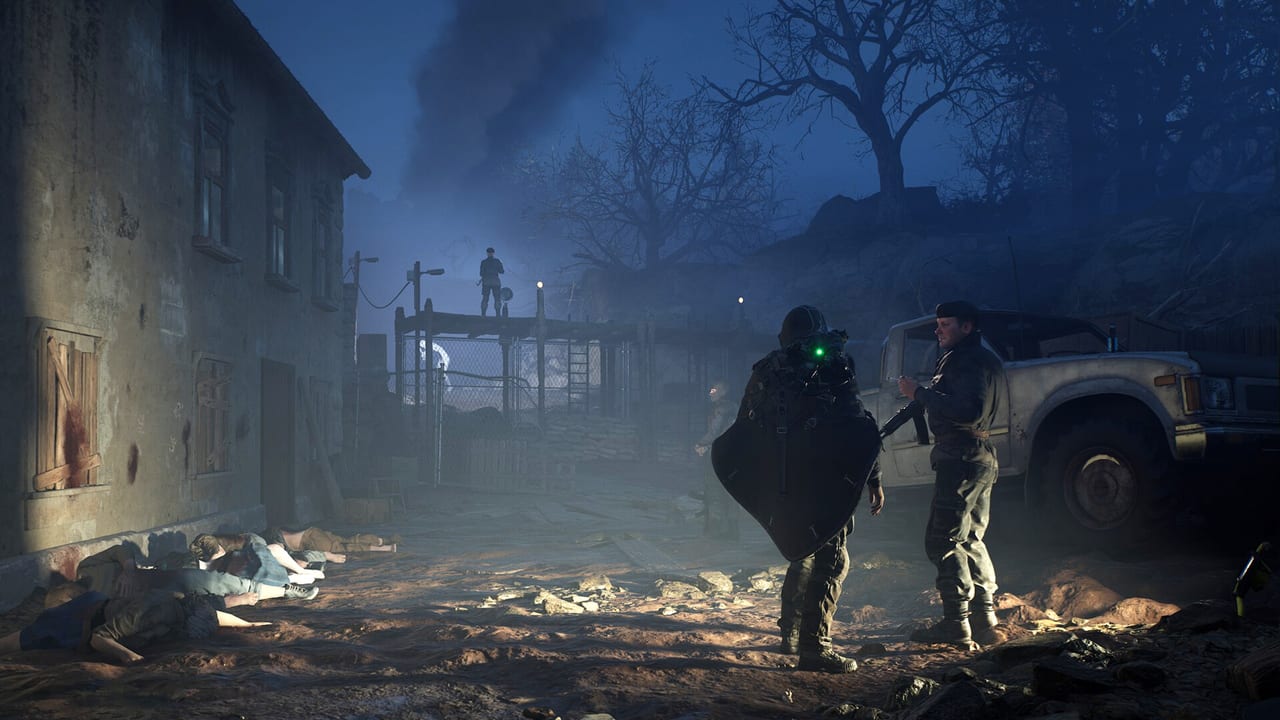
Spoiler warning: this page describes the full finale of Hell is Us, including Keystone placement, Mount Obek, and post-credits imagery. Stop here if you have not finished Act 3 or prefer to discover the ending blind.
Hell is Us has one story ending — no secret romance route, no faction vote, and no New Game Plus branch that changes dialogue outcomes. Your choices affect combat preparation and optional completion, not which cutscene plays. Understanding the finale helps you pack Amine Prisms, finish missables, and interpret the light lore around the Golden Eye (also called the Eye of God in scattered Palomist texts).
What the ending requires
By Act 3, you should already hold four forged Keystones aligned to Lymbic emotions:
- Keystone of Grief — forged at the end of Act 1.
- Keystone of Terror — Arcas Spire investigation in Act 2.
- Keystone of Rage — Auriga Museum and Jeljin path in Act 2.
- Keystone of Ecstasy — Plains of Mist temple in Act 2.
Act 3 investigation Into the Unknown assumes all four sit ready for the Lymbic Forge altars. If you rushed Act 2, backtrack via Act 2 Walkthrough before continuing Act 3 Walkthrough.
Finale sequence — step by step
Lymbic Forge altar insertion
Return to the Lymbic Forge interface and insert Grief, Terror, Rage, and Ecstasy into their matching altars. The forge reacts as a ritual engine rather than a crafting bench — each Keystone locks until the next investigation beat inside Act 3 fires. Expect combat arenas between insertions; treat them like compressed timeloop gauntlets with fewer respawns but harder elites.
Mount Obek ascent
Story objectives redirect you toward Mount Obek, the volcanic landmark visible throughout Hadea travel. Climb through mixed puzzle and combat rooms that reuse symbol languages from Senedra, Auriga, and the Plains of Mist. Drone scans remain mandatory — see No-Map Exploration if headings feel vague.
Golden Eye orbs and statues
Mid-ascent, Ren interacts with Golden Eye orbs and statue arrangements tied to Palomist astronomy. Environmental storytelling frames the Eye as a celestial anchor the Sabinian war attempted to weaponize. Gameplay-wise, these rooms are strike-order and alignment puzzles; if you stall, Puzzle Solutions lists spoiler boxes without repeating every mural here.
Lore takeaway: the Golden Eye is not a separate boss name — it is the motif binding Hadea’s Haze to emotional keystones. Ren’s family thread converges here rather than in a traditional dialogue tree choice.
Closing the Timeloop with Amine Prism Rho
The finale timeloop differs from regional domes. You must deploy an Amine Prism Rho — a higher-tier prism crafted or granted during Act 3 prep — at the loop core after clearing guardian packs. Standard white prisms from Act 1 loops will not work. Defeat Timeloop Guardians, interact with the anchor, and confirm collapse so the summit ritual can proceed. Mechanics mirror Good Deeds & Timeloops but with zero optional backout.
Heirloom Necklace and credits
The last interactive beat involves Ren’s Heirloom Necklace, tying Family Reunion clues to the Lymbic catastrophe. A short cinematic plays, credits roll, and control returns on a post-game save state depending on platform autosave timing.
Post-credits tease
After credits, Hell is Us shows a brief post-credits scene — not a sequel hook with a title card, but a quiet stinger recontextualizing the Golden Eye imagery and Hadea’s ongoing Haze. No second ending unlocks from this stinger; it is epilogue flavor for lore readers.
Players chasing 100% should not skip straight to New Game: consult Missables & Platinum for deeds that remain on some saves and Mysteries Guide for outstanding Datapad threads.
Is there a bad ending?
No. Failing optional content does not change the finale cutscene — you simply arrive under-geared or with missing trophies. The game never offers a moral choice screen that alters Mount Obek outcomes.
Lore context without over-explaining
Hell is Us keeps narrative delivery environmental. The ending confirms:
- Hadea’s collapse links Lymbic emotions to physical keystones.
- Ren’s search for family resolves through the necklace ritual, not a rescue reunion in the traditional sense.
- The Golden Eye symbolizes an attempted reset of the timeloop anchoring Hollow proliferation.
For broader setting notes before spoilers, read the Wiki Overview sections on Hadea and the Palomist war.
Preparation checklist before the finale
- Insert all four Keystones at the forge altars in Act 3 order.
- Carry an Amine Prism Rho and upgraded weapons — Combat & Healing Pulse covers sustain.
- Close optional timeloops if your save still permits travel; Exploration Checklist tracks leftovers.
- Finish missable Good Deeds before the final sequence — see Missables & Platinum.
Related guides
- Act 3 Walkthrough — objective-by-objective Into the Unknown.
- Bosses & Dungeons — guardian patterns in forge-adjacent gauntlets.
- Good Deeds & Timeloops — prism basics before Rho tier.
- Updates Hub — patch 1.7 QoL if you return months later.
Frequently Asked Questions
Quick answers about Hell is Us progression, combat, and exploration.
How many endings does Hell is Us have?
One canonical story ending. Optional content changes gear and trophies, not the finale cutscene.
Do I need all four Keystones for the ending?
Yes. Grief from Act 1 plus Terror, Rage, and Ecstasy from Act 2 are required for the Lymbic Forge climax.
What is the Golden Eye?
A Palomist celestial motif tied to Mount Obek statuary and the Eye of God lore texts. It frames the timeloop ritual rather than a separate boss.
Is there post-credits content?
A short stinger plays after credits. It does not unlock a new ending or playable chapter.
When should I read this guide?
After Act 2 or when you are about to start Act 3 if you want a roadmap without mid-game spoilers.